Thermal expansion tolerances
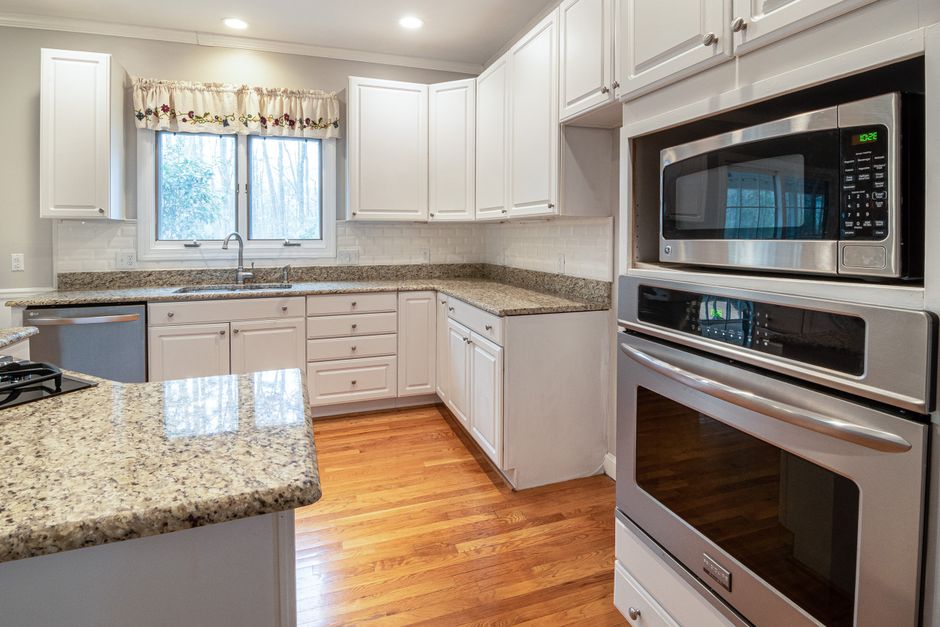
Two stone slabs that look identical under shop lights can behave differently during a seasonal temperature swing. The tolerances recorded at custom countertops buncombe county 9e2 seattle differ from the standard calculations found in basic carpentry manuals. Every granite or quartz slab requires a calculated gap between the stone and the cabinetry in Buncombe County, NC. A countertop must have room to move. This movement happens when the ambient temperature in a kitchen rises or falls, causing the material to expand or contract along its length.
Thermal Expansion Mechanics
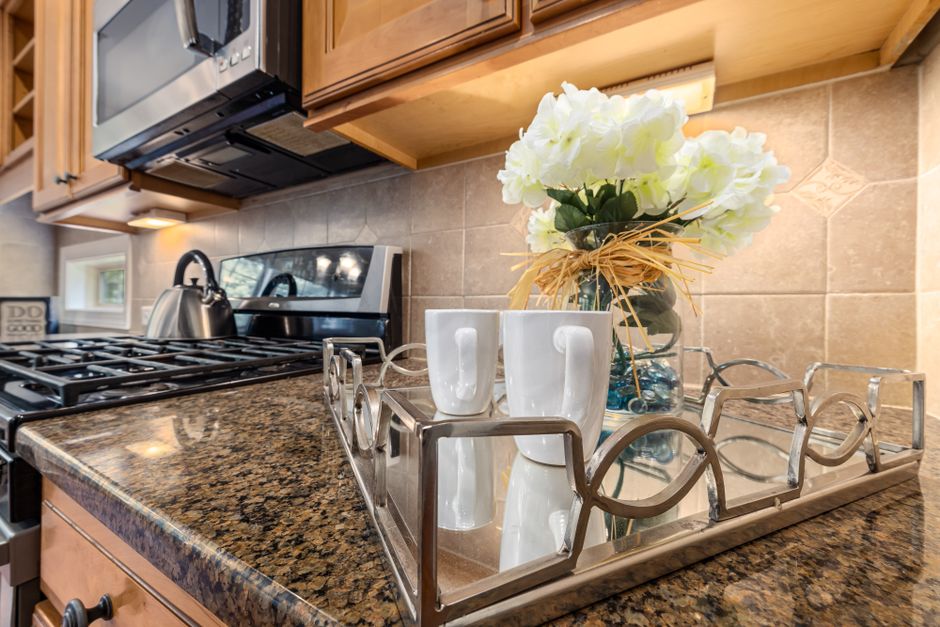
Stone is not a static material. A large slab of quartzite or marble expands based on the coefficient of thermal expansion. For every degree of temperature change, the material grows. If a slab is pinned too tightly against a plywood cabinet carcass, the pressure builds. This pressure can cause a seam to pop or cause the stone to crack near a sink cutout. The gap between the back edge of the stone and the wall must account for this. A digital template captures the exact dimensions, but the physical installation must allow for a fraction of an inch of breathing room.
Cabinetry and Substrate Interaction
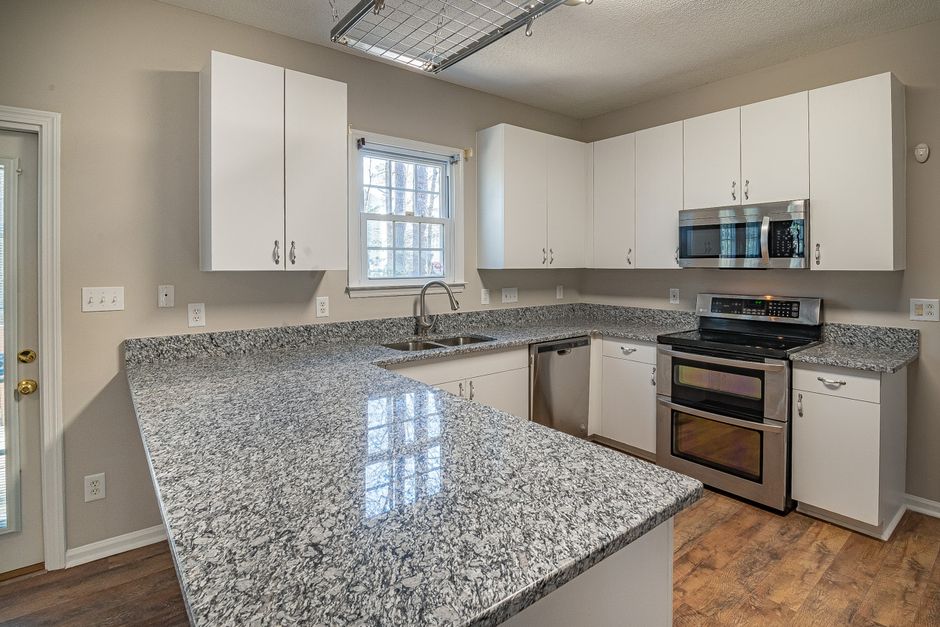
Wood cabinets in Buncombe County, NC, also move. Humidity changes cause wood to swell, while stone reacts to heat. If a granite piece is installed with zero clearance against a heavy butcher block island or a wooden cabinet frame, the two materials will fight each other. This conflict often manifests as stress fractures near an undermount sink. It is better to have a slightly larger gap covered by a backsplash than to have a broken slab. A small gap near a waterfall edge provides the necessary relief for the material to shift without structural failure.
Seam Placement and Stability
The location of a seam dictates how much movement the installation can handle. A seam placed near a heat source, such as a cooktop, undergoes more frequent thermal cycles. Using a remnant for a small section near a sink cutout requires careful consideration of how that piece connects to the main slab. If the seam placement occurs in a high-movement zone, the epoxy must be able to handle the shear stress. A tight fit looks clean, but a mechanical gap prevents the stone from crushing itself against the substrate.
Edge Profiles and Stress Points
The edge profile affects how stress travels through the stone. An eased edge distributes weight differently than a heavy bullnose. When a slab has a large overhang, the leverage applied during thermal expansion increases. The support underneath must be rigid enough to hold the weight but flexible enough to allow the stone to breathe. Calculating the expansion for a porcelain or soapstone surface requires looking at the total linear footage of the run. Every inch of stone adds to the total potential movement.