Epoxy pigment suspension
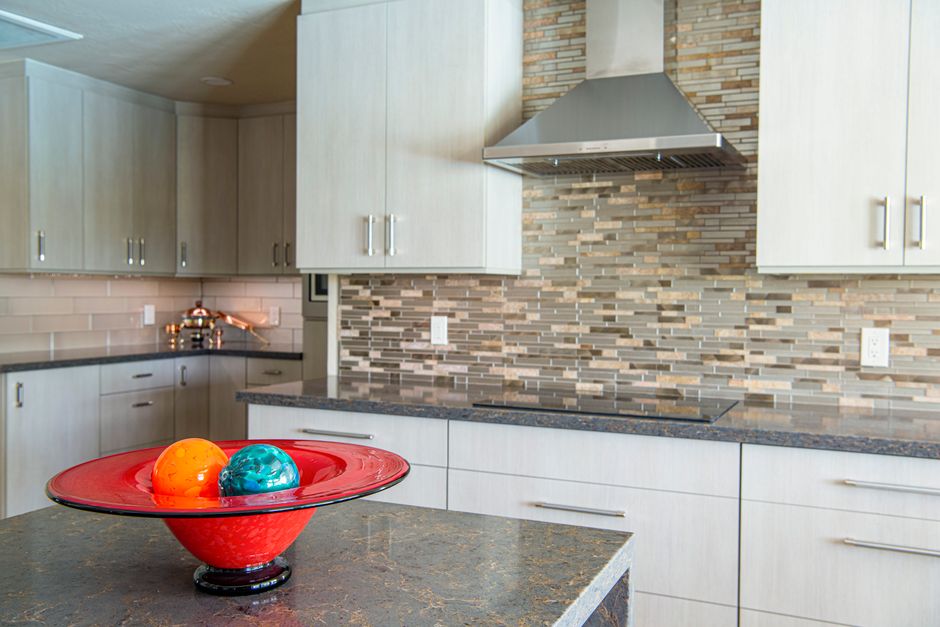
Two pigment batches that appear identical under shop lights can diverge significantly once poured into a large slab. The color ratios found at custom countertops buncombe county 9e2 seattle differ from standard retail mixing charts because local lighting in Buncombe County, NC affects how a countertop surface reflects light. Matching a vein pattern requires more than just adding tint to a clear resin. It requires a mechanical approach to viscosity and suspension density.
Pigment Suspension Dynamics
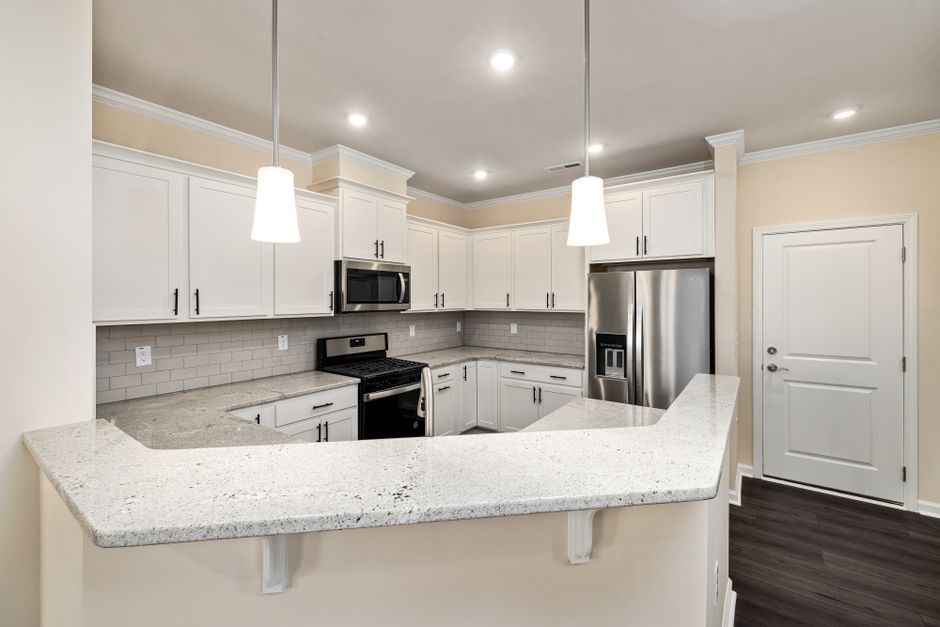
Achieving a visual match with granite or quartzite requires specific pigment loading. If the dye concentration is too high, the resin settles too quickly, creating dark streaks that do not resemble natural stone. A slow stir ensures the pigment remains suspended throughout the pour. This prevents the dye from sinking to the bottom of the mold. The goal is to mimic the mineral deposits found in a natural slab. A heavy pigment load can cause the resin to become opaque, which ruins the depth needed to simulate marble. Control the pour speed to maintain the intended suspension levels.
Vein Replication Techniques
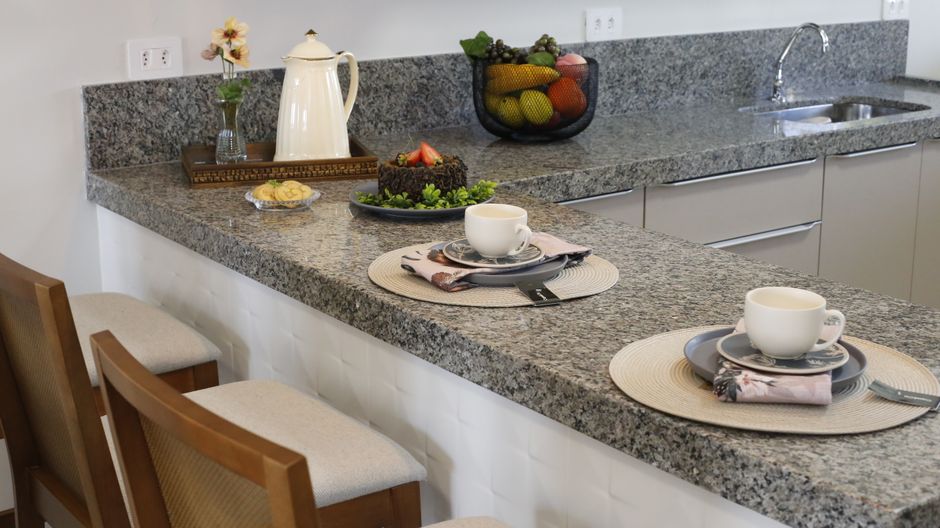
Veining is not a single color. It is a series of layered pigments with varying levels of transparency. For a quartz imitation, the pigment must be distributed in thin, irregular ribbons. Using a pipette allows for precise placement of darker tones. If the goal is to match a soapstone or a dark granite, the pigment must be integrated into a base that holds its position. A mistake in the mixing ratio leads to a seam that is visible even after polishing. The viscosity of the resin must be thick enough to hold the vein in place but thin enough to flow without air bubbles.
Material Compatibility and Pouring
The substrate dictates the prep work. Pouring over a remnant requires a clean, level surface to prevent uneven thickness. A digital template ensures the boundaries of the pour are accurate. If the resin is too thin, it will run over the edge profile and create an uneven thickness at the bullnose. For a waterfall edge, the pigment must flow continuously from the top surface down the vertical side. This requires a controlled temperature in the shop to manage the cure rate. A fast cure prevents the pigment from settling, while a slow cure allows for deeper color integration.
Edge and Seam Management
The edge profile changes the way light hits the pigment. An eased edge shows the color clearly, while a complex profile might hide some of the depth. During the templating phase, the exact dimensions of the sink cutout must be accounted for to avoid pigment pooling around the edges. If a seam is required, the pigment in both sections must be identical. A color shift between two pieces makes the join obvious. Using a consistent batch of pigment for the entire project reduces this risk.