Scribe-fitment on irregular walls
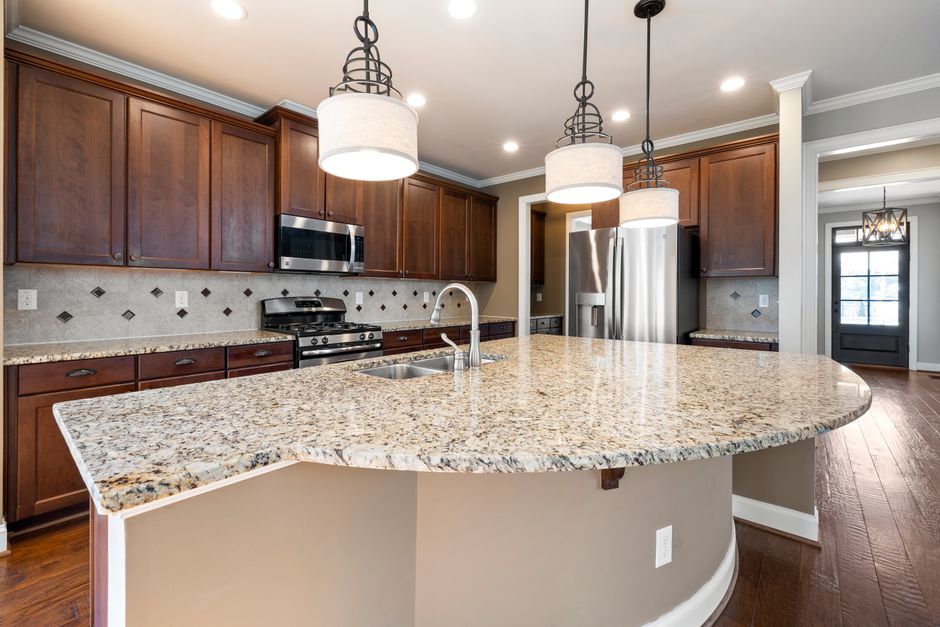
Once the scribe tool touches the drywalled surface, the layout becomes permanent. The methods found at custom countertops buncombe county 9e2 seattle prioritize accuracy over speed, ensuring a tight fit between a granite slab and uneven walls in Buncombe County, NC. A straight countertop edge never sits flush against a bowed stud or a patched plaster corner without mechanical intervention. Success depends on reading the wall contours before any cutting occurs.
The Mechanics of Scribing
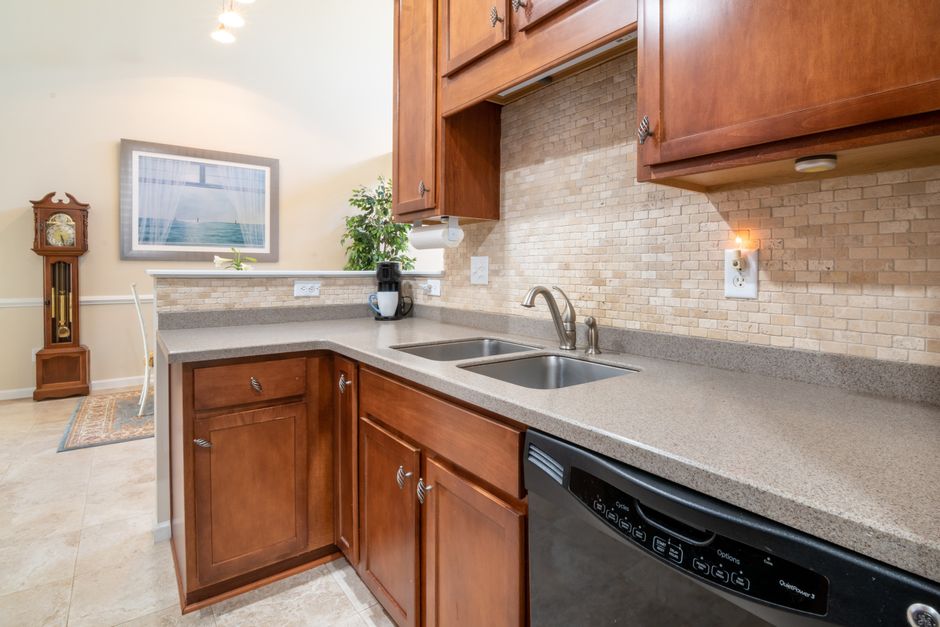
A scribe tool, often a compass or a specialized marking knife, transfers the irregular profile of the wall onto the material. When working with a dense slab of quartz or quartzite, the marking must be precise. The tool is held against the wall, and the point is dragged along the edge of the stone. This creates a line that mirrors every bump and dip in the drywall. In Buncombe County, NC, residential walls frequently deviate from a true 90 degree angle, requiring this manual adjustment to avoid large gaps. A gap behind a seam creates a structural weakness and an aesthetic failure.
Material Response to Scribing
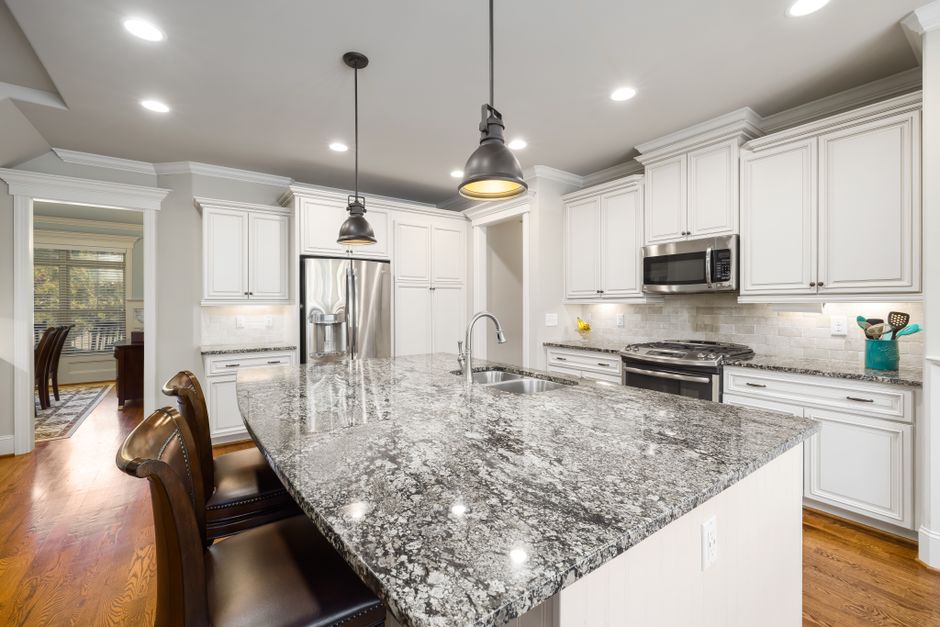
Different materials react uniquely to the scribe process. A thick piece of butcher block requires a different blade than a thin piece of laminate. For natural stone, such as marble or soapstone, the scribe line dictates where a grinder or a diamond blade must follow. If the template is off by even a sixteenth of an inch, the fit will fail. A digital template provides a base, but the physical scribe tool provides the final truth against the actual wall. Even with a digital template, the physical reality of the wall often requires a final manual mark to account for plaster irregularities.
Managing the Edge Profile
The scribe line must account for the specific edge profile chosen for the project. An eased edge or a bullnose profile changes the way the tool sits against the material. If a waterfall edge is planned, the scribe must be even more precise to ensure the vertical and horizontal planes meet without a visible gap. The goal is to bring the stone to the wall, rather than forcing the wall to the stone. A tight fit prevents debris from accumulating in the gap and ensures the countertop remains stable over time.
Final Cutouts and Placement
After scribing, the material undergoes the final shaping. This includes the sink cutout for an undermount sink. If the scribe work is flawed, the entire slab might not sit correctly against the backsplash or the wall. Proper seam placement also relies on the scribe to ensure the long edges meet the wall continuously. Whether using a remnant or a full slab, the mechanical process remains the same. The tool dictates the cut, and the cut determines the final fit.