Substrate flatness tolerance
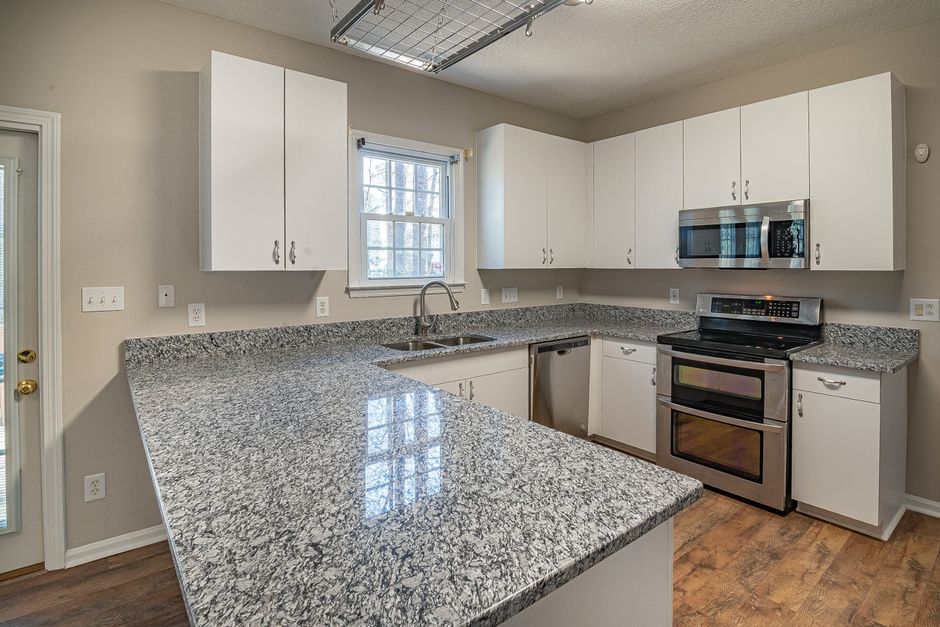
A level substrate provides the structural foundation that prevents a heavy slab from flexing under its own weight. Every teardown custom countertops buncombe county 9e2 seattle has logged shows the same thing regarding how a poorly leveled cabinet base destroys a stone work surface. In Buncombe County, NC, installers often find that even a minor dip in the plywood or cabinet top creates a pivot point for tension. This tension eventually leads to a fracture through the center of a granite piece.
The Mechanical Impact of Substrate Deviation
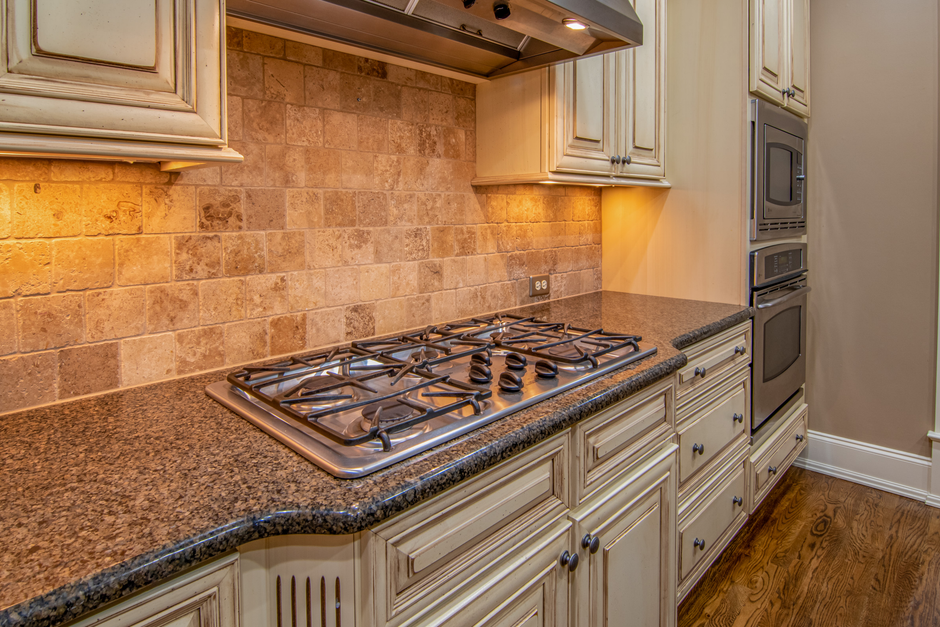
Stone material possesses high compressive strength but very low tensile strength. When a quartz slab rests on a high spot, the surrounding areas hang in mid air. Gravity pulls the weight of the stone downward, creating a bridge effect. This bridge creates internal stress. If a sink cutout is large, the stone is already weakened at the corners. A high spot under a sink cutout increases the risk of a crack spreading from the corner toward the center of the slab. A deviation exceeding 1/8 inch over a four foot span is too much for most natural stone products.
Measuring Tolerances for Natural Stone
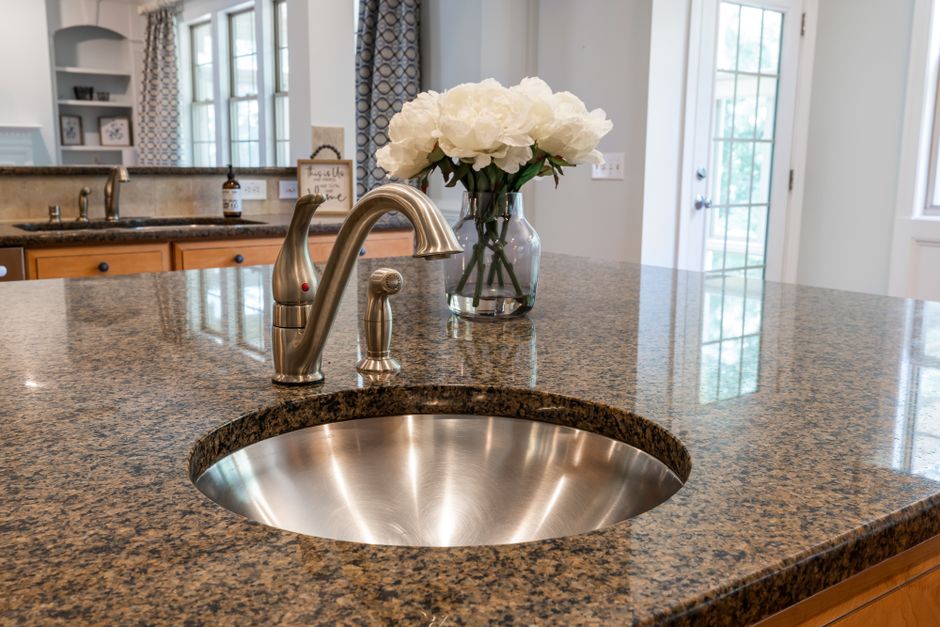
Checking the flatness requires a long straightedge and a feeler gauge. A marble slab or a heavy quartzite piece cannot bend to follow the contours of a wavy cabinet top. If the straightedge shows a gap larger than a nickel, the substrate requires shimming. Using plastic shims or specialized leveling clips helps distribute the load evenly. This prevents a point load from focusing all the weight of a heavy slab onto a single corner. A heavy slab stays rigid, and rigidity requires a flat plane.
Material Specific Requirements
Porcelain and large format slabs are even more sensitive to substrate issues than granite. These materials are thinner and have almost zero flexibility. A waterfall edge requires perfectly plumb cabinets to ensure the grain matches and the joint remains tight. If the cabinets lean or the top is uneven, the seam at the waterfall will show a gap. Even a small seam placement error is magnified by a bad base. A level surface ensures that every seam remains tight and the weight is distributed across the entire cabinet run.
The Role of Templating in Accuracy
Digital template technology captures the exact dimensions of the cabinetry, but it does not fix a crooked base. A digital template shows where the stone will sit, but the physical installation relies on the actual flatness of the wood. If the cabinets are out of level, the stone will follow that slope. Using a template ensures the cutout for an undermount sink is precise, but it cannot compensate for a cabinet that bows in the middle. Preparation of the substrate is the first step before any stone arrives on site.